Understanding the hidden effects of chronic stress and the simple lifestyle changes that may help support a healthier, calmer life.
Have you ever felt exhausted even after sleeping, struggled to focus during the day, or noticed that stress seems impossible to escape?
Chronic stress is more than just feeling overwhelmed. When stress continues for long periods, it may affect your sleep, energy levels, mood, digestion, and overall well-being.
In this guide, we’ll explore how chronic stress affects the body, common signs to watch for, and healthy strategies that may help you better manage daily stress.
Acute Stress vs. Chronic Stress
Stress is not always harmful. In short periods, stress can help the body respond to challenges and stay alert. This type of stress is known as acute stress.
Acute stress usually happens because of a specific situation, such as a deadline, an unexpected problem, or a stressful event. Once the situation passes, the body typically returns to a normal state.
Chronic stress is different. It happens when the body’s stress response remains activated for long periods, often due to ongoing pressure, lifestyle factors, or repeated challenges.
Over time, chronic stress may affect sleep, mood, energy levels, digestion, and overall health.
How Chronic Stress Affects the Body Over Time
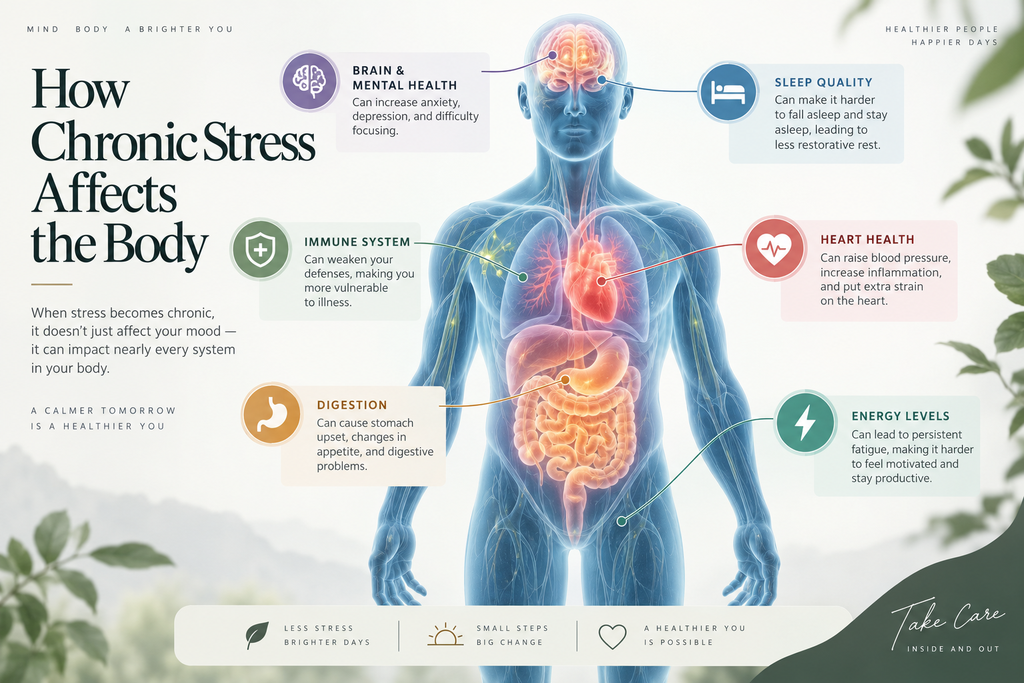
When the brain perceives ongoing stress, it activates a series of responses involving the nervous system and stress hormones, including cortisol. This natural process helps the body respond to challenges and stay alert. However, when the stress response remains activated for long periods, it may place additional strain on the body over time.
How Chronic Stress Affects the Body
The body’s stress response is designed to help you deal with challenging situations. However, when this response remains activated for long periods, it can contribute to health problems.
1. How Chronic Stress Affects Sleep
Chronic stress can make it harder to relax at bedtime. Racing thoughts, increased tension, and an overactive mind may interfere with falling asleep or getting the restful sleep your body needs.
Poor sleep can then make it more difficult to manage stress the following day, creating a cycle where stress and sleep problems continue to reinforce each other.
2. How Chronic Stress Affects Heart Health
Chronic stress can temporarily increase heart rate and blood pressure as part of the body’s natural stress response. When stress continues for long periods, it may contribute to habits and health factors associated with cardiovascular risk, especially when combined with other existing risk factors.
3. How Chronic Stress Affects Digestion
The brain and digestive system are closely connected through what is often called the gut-brain connection. Chronic stress may affect digestion and contribute to symptoms such as stomach discomfort, nausea, diarrhea, constipation, or changes in appetite.
Persistent or severe digestive symptoms should be evaluated by a healthcare professional rather than automatically assumed to be caused by stress.
4. How Chronic Stress Affects Mood and Emotional Well-Being
Chronic stress can make everyday challenges feel more difficult to manage. Over time, it may contribute to irritability, feelings of anxiety, emotional exhaustion, and difficulty concentrating.
Making time for rest, maintaining supportive relationships, and seeking professional help when needed can support emotional well-being and healthier coping strategies.
5. How Chronic Stress Affects Immune Function
Chronic stress interacts with the body’s immune system and may influence how the body regulates immune responses. However, the effects of stress on immune function can vary from person to person.
Healthy habits, including balanced nutrition, quality sleep, and regular physical activity, can help support overall health and the body’s natural ability to respond to challenges.
What Causes Chronic Stress?
There is no single cause of chronic stress. It often develops when multiple pressures continue over time without enough opportunities for recovery, relaxation, or emotional balance.
Common factors that may contribute to chronic stress include:
Heavy workloads or job insecurity
Financial difficulties
Caregiving responsibilities
Family or relationship conflicts
Major life changes
Ongoing health concerns
Lack of sleep and limited time for recovery
Identifying the sources of stress is an important first step toward making realistic changes and developing healthier coping strategies.
How to Manage Chronic Stress
Although you cannot always eliminate stressful situations, you can develop healthy habits and strategies that may help you respond to stress more effectively.
1. Create a Consistent Sleep Routine
Try to go to bed and wake up at consistent times each day. Creating a relaxing bedtime routine and reducing stimulating activities before sleep may help prepare your body and mind for better rest.
A comfortable sleep environment and quality rest can support your ability to manage daily challenges and maintain emotional balance.
2. Move Your Body Regularly
Regular physical activity can support mood, sleep quality, and overall well-being. Activities such as walking, stretching, cycling, swimming, or other forms of movement can be helpful additions to a healthy routine.
Start at a comfortable level and gradually increase your activity as your fitness improves. Consistency is often more beneficial than pushing yourself too hard.
3. Practice Relaxation Techniques
Slow breathing exercises, meditation, mindfulness practices, and gentle stretching may help reduce feelings of tension and promote relaxation.
Even a few minutes of quiet time can provide a helpful pause during a demanding day. Experiment with different techniques to discover which approaches work best for your lifestyle and routine.
4. Maintain a Balanced Diet
Regular, balanced meals can support energy levels and overall health. Include a variety of vegetables, fruits, whole grains, protein sources, and healthy fats as part of a well-rounded diet.
Pay attention to how caffeine and alcohol may affect your sleep, mood, and stress levels. Avoid relying on alcohol or other substances as a way to cope with stress.
5. Set Realistic Boundaries
Trying to handle everything at once can increase feelings of pressure and emotional overload.
Identify your priorities, break large tasks into smaller steps, and make time for rest. When possible, ask for support and create healthy boundaries at work and in your personal life.
6. Stay Connected With Others
Talking with a trusted friend, family member, or supportive person can help you feel less alone.
You do not have to manage every challenge by yourself. If stress becomes difficult to handle, a qualified mental health professional can help you develop effective coping strategies.
When Should You Seek Professional Help?
Consider speaking with a healthcare professional if stress continues for several weeks, affects your relationships or work, disrupts your sleep, or interferes with daily activities.
Professional support may help you identify contributing factors and explore appropriate treatment or coping strategies.
Seek urgent medical attention if you experience severe or sudden symptoms, such as chest pain or serious difficulty breathing. Do not assume these symptoms are caused by stress.
Frequently Asked Questions About Chronic Stress and Stress Management
Can chronic stress affect physical health?
Yes. Chronic stress can affect sleep, muscle tension, digestion, mood, and other body functions. Its effects vary from person to person, and persistent symptoms should be evaluated by a healthcare professional.
How can I tell if my stress is becoming chronic?
Stress may be becoming chronic when feelings of pressure continue for an extended period, relaxation becomes difficult, or symptoms begin interfering with sleep, concentration, relationships, or daily activities.
A healthcare professional can help assess persistent symptoms and identify other possible causes.
Can chronic stress be managed with lifestyle changes?
Healthy habits such as regular physical activity, consistent sleep, relaxation exercises, balanced meals, and social support can help support stress management. However, these strategies do not replace professional care when it is needed.
How long does it take to feel better?
There is no single timeline for improvement. Some people notice changes after making healthy adjustments, while others need more time or professional support. Progress depends on the causes of stress, individual circumstances, and the strategies used.
When should I talk to a professional about stress?
Seek professional guidance when stress feels overwhelming, continues despite your efforts, affects daily functioning, or is accompanied by ongoing anxiety, low mood, or sleep difficulties.
Final Thoughts
Chronic stress can affect both the mind and body, but recognizing its signs is an important first step toward improving your overall well-being.
Start with manageable changes: prioritize sleep, move your body regularly, practice relaxation, maintain supportive relationships, and set realistic boundaries.
You do not need to change everything at once. Focus on small, consistent steps, and remember that progress takes time. Seek professional support when stress becomes difficult to manage on your own.
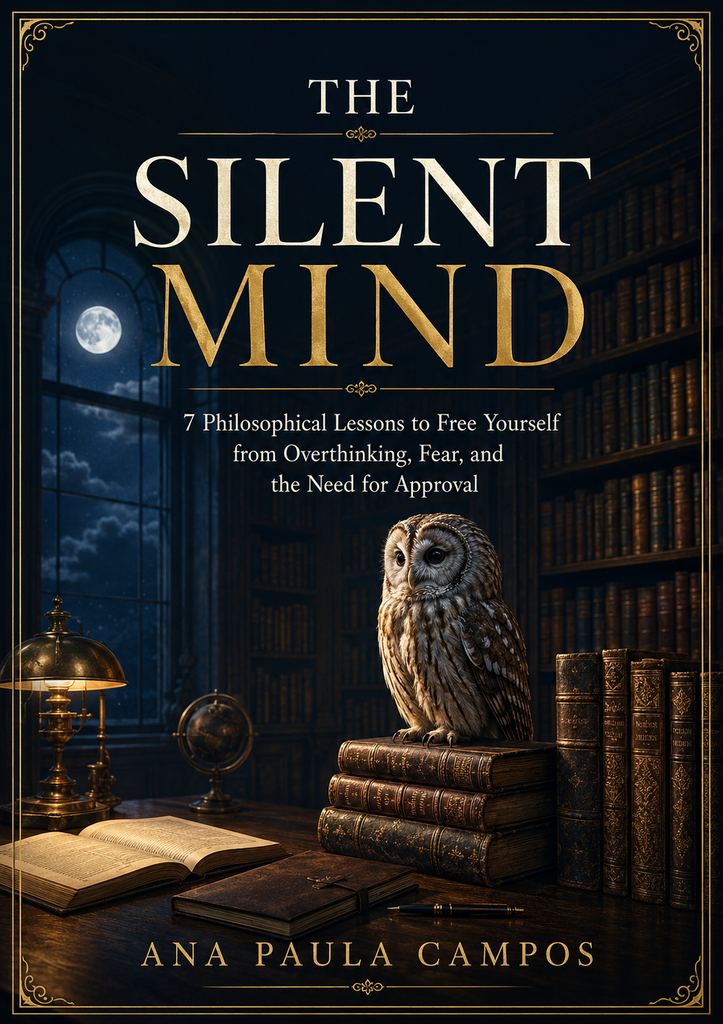
The Silent Mind: 7 Philosophical Lessons for Inner Freedom book cover
The Silent Mind Philosophical Guide
Continue Your Journey Toward Inner Calm
Managing stress is not only about changing your daily habits. It is also about understanding your thoughts, developing self-awareness, and creating a healthier relationship with life’s challenges.
The Silent Mind: 7 Philosophical Lessons for Inner Freedom offers a thoughtful exploration of timeless philosophical ideas that can help you reflect on your mindset, emotional balance, and personal growth.
If you are looking for a deeper approach to creating more clarity, calm, and awareness in your daily life, this guide can be a valuable companion on your journey.